Category Archives: Uncategorized

Blog March 10, 2026 4 min read

One Page at a Time

How paper is shaping the UPSC journeys of thousands in Pune.

Study halls in Pune where aspirants plan, ideate, and learn

What does it take to crack the toughest exams of the world?

Patience? Sleepless nights? A gifted brain?

Ask anyone preparing for the civil services, and the answers will vary. But if you spend time in Pune, you will see that at the core of every answer is a practicality.

This is what brought us to Pune. A search for the right answers, and to see what role paper plays in helping students chase their dreams.

“Learning is not attained by chance, it must be sought for with ardor and diligence.”

— Abigail Adams

A City That Runs on Dreams

Pune is unlike most cities. Beneath its reputation as the ‘Oxford of the East’ lies something more specific: a quiet, relentless energy that belongs to the thousands of young people who arrive here every year with the goal of clearing the civil services exam.

Nearly 10 to 13 lakh candidates apply for the civil services exam every year. Even as they fill the forms and get to studying, all of them know that only a fraction will make it. Yet the coaching centres are full, the study halls are occupied long before dawn, and the libraries hum with the silence of unrelenting focus.

Pune has become a gathering place for this ambition. Aspirants travel from across Maharashtra and beyond, drawn by its coaching institutes, its community of like-minded peers, and an understanding that this is a city that takes preparation seriously.

We arrived wanting to understand what that preparation actually looks like and what role paper plays in it.

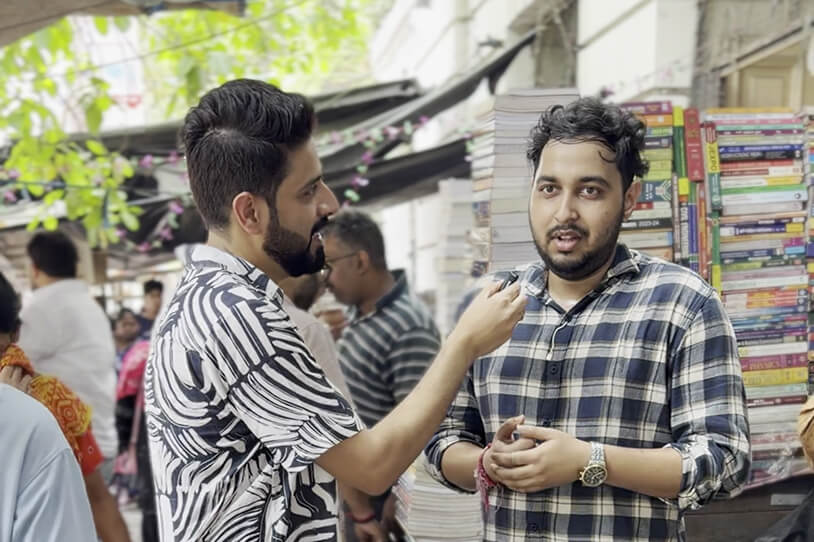
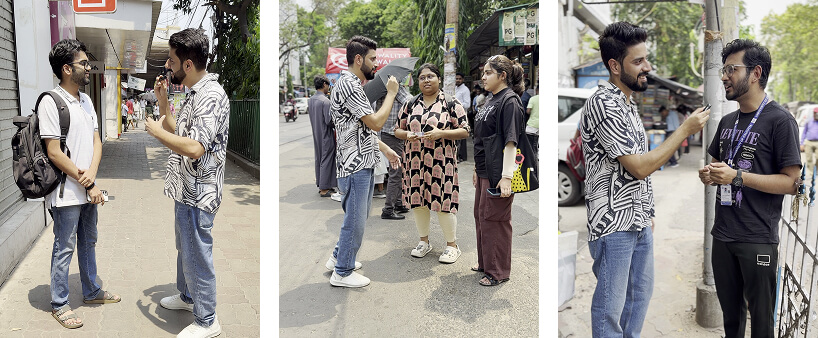
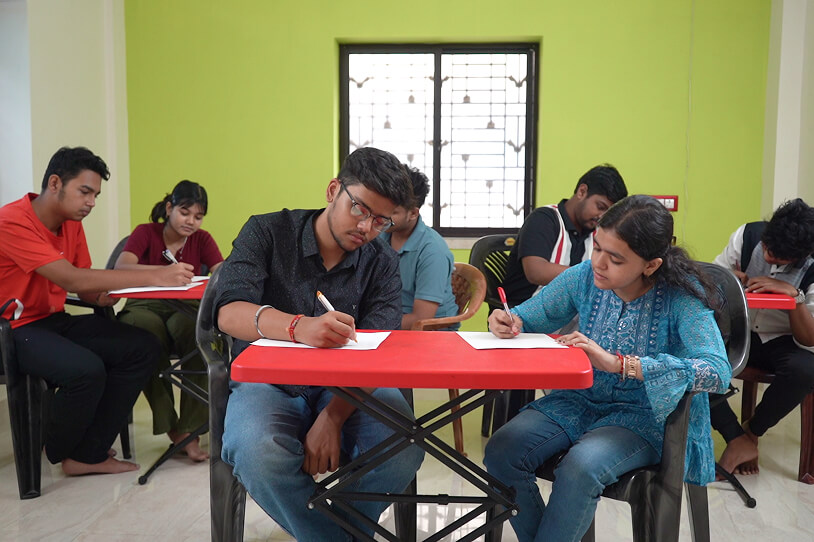
We took to the streets of Pune, speaking to aspirants and hearing their stories

Aspirants told us how writing by hand was better for learning than digital notes. It slows thought down to a pace where understanding can actually take root.

Pages Full of Purpose

What we found was surprising and not surprising at the same time. More importantly, it was deeply moving.

Talking to UPSC aspirants, we understood that for them, paper is where everything happens. Notes are made, revised, and made again. Schedules are drawn out by hand. Mock tests are attempted on paper because the actual exam will be too. We saw the relationship between an aspirant and their notebook to be one of the most honest partnerships in education, one built on repetition and discipline.

There is a reason for this. Aspirants told us how writing by hand was better for learning than digital notes. It slows thought down to a pace where understanding can actually take root. For an exam that tests not just knowledge but the ability to think, analyse, and articulate, this becomes crucial.

When asked whether they preferred notes or screens, the answer was almost unanimous. Paper. Paper works better. It holds attention. It demands engagement. It leaves a record on the page and in our memories.

From timetables to notes, paper is an integral part of exam preparation

Paper works better. It holds attention. It demands engagement. It leaves a record on the page and in our memories.

The Grind Behind the Dream

Every aspirant we spoke to carried themselves with confidence. Some were on their first attempt. Others had been at it for years, returning with more resolve each time.

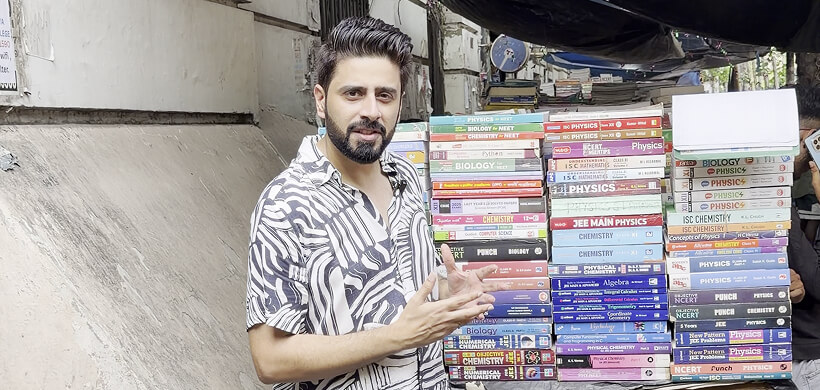
Their dedication was impressive due to the physicality of it. Bags heavy with books. Desks covered in colour-coded notes. Pages annotated so thoroughly that the original print was barely visible. This is what a civil service dream looked like up close: thousands of handwritten pages and small acts of belief.

Behind every name on the merit list is a story like this. A stack of notebooks. A pen nearly run dry. A dream held together, quite literally, by paper.

Behind the preparation are pages filled with effort, discipline, and determination

Pune and Paper

In our series Paper Matters Travels, we travel to understand paper’s role in real lives in practice. In Pune, that role is potent. Paper is where the aspirants organise their thoughts, test their knowledge, and remind themselves, day after day, of what they are working towards.

In an age that increasingly demands migration to online options, the aspirants of Pune are reminders of the fact that some things are simply better on paper. The civil services exam is one of them. The dreams that drive people to attempt it belong on paper too.

Blog February 10, 2026 3 min read

Stronger Than You Think

Paper Matters’ visit to Aabal Nahi Sabal, where neurodivergent artisans are using paper to change the narrative

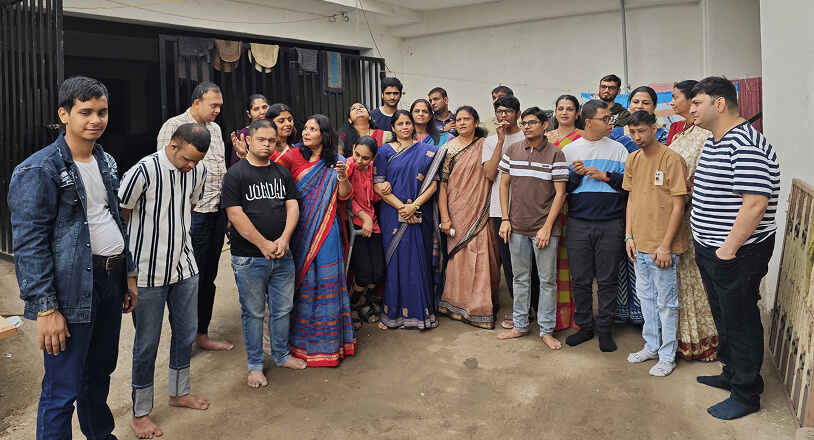
The team of neurodivergent people at Aabal Nahi Sabal make over 100 bags in a day

The magic of paper knows no bounds.

It can be the place for intelligent thought, an object of childhood fantasy in small planes and boats, and an outlet for fun and expression for people who need them the most.

We saw this with our own eyes when, in yet another edition of Paper Matters Travels To, we visited the Aabal Nahi Sabal Foundation in Gujarat. This is a community of neurodivergent individuals who have allied with Paper to unleash their inner creativity and contribute to the local economy.

“Believe you can and you’re halfway there.”

— Theodore Roosevelt

Meet the Sabals

They laugh together, dance together, and celebrate work together. Aabal Nahi Sabal has introduced the differently abled community to a new world; one made up of crafted products and eco-friendly innovations. Beyond employment, it allows these individuals to showcase their diverse talents and, at the same time, values and supports sustainability through hand-crafted products.

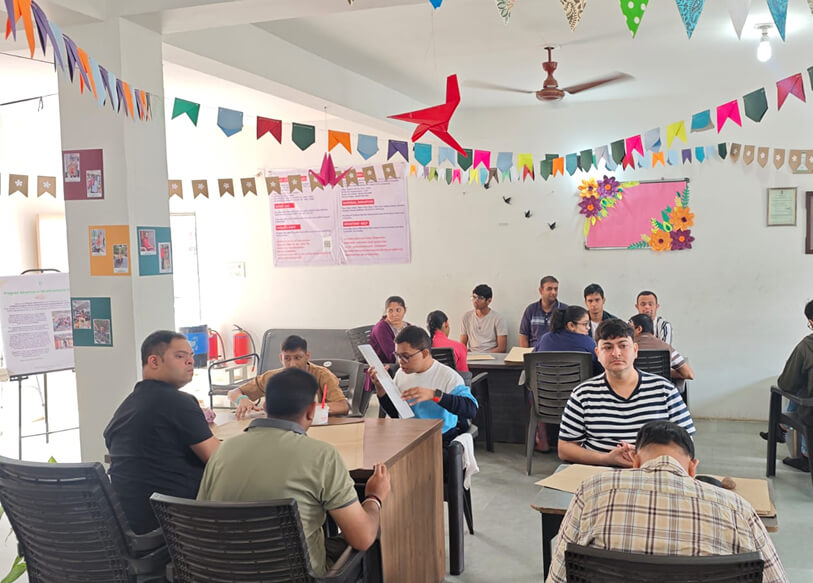
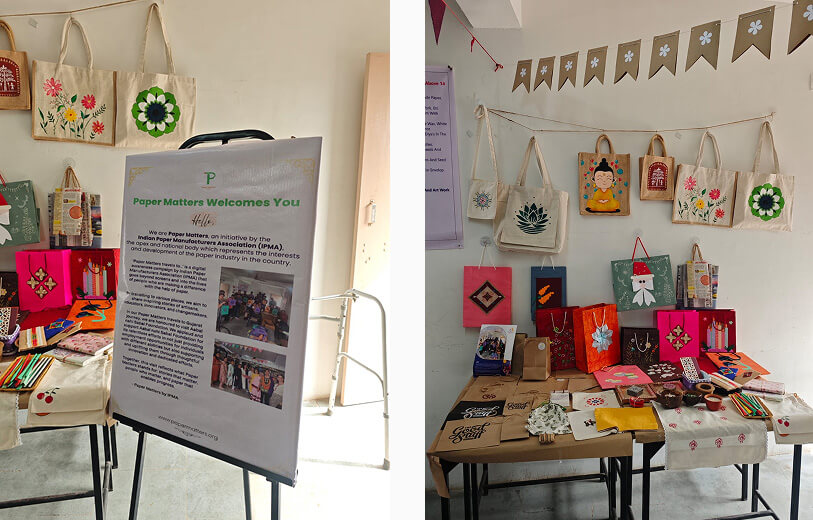
We observed this in motion. We were welcomed into a workspace that buzzed with energy and was filled with the warmth of camaraderie. We saw the work and the products, a full range of handcrafted products: paper bags, food-grade bags, gifting bags and envelopes, each made from handmade paper or Kraft paper.

We saw that the foundation stands aptly by its name. It is more of a movement, with a conviction of giving neurodivergent individuals meaningful work and dignity.

Their strong bond makes the workplace a second home

This is a community of neurodivergent individuals who have allied with Paper to unleash their inner creativity and contribute to the local economy.

Paper All the Way

The choice of using paper is not accidental.

“It is easy to work with,” Ms. Anuradha Sharma, Founder of Aabal Nahi Sabal, explained, “and when they use their hands to fold or glue paper, all the neurons get connected. This gives them muscle memory, which helps them repeat the work”. Tactile engagement with sheets of paper is productive and transformative for their cognitive skills.

This transformation is there for all to see. Ms. Anuradha had previously observed how easily individuals used to get bored and tired, but now the story is different. “Now we hear giggles and gossip about who makes the most number of bags”. This human connection and interaction gives them confidence and a sense of belonging that stretches beyond the workshop.

Even the parents who were always worried about these neurodivergent kids now feel differently. They can now see what their kids are capable of, and witnessing genuine changes has brought them peace of mind.

Their work of art is purchased by cafes and used as gifting solutions for events and weddings

Aabal Nahi Sabal has introduced the differently abled community to a new world; one made up of crafted products and eco-friendly innovations.

Why Paper Matters

Aabal Nahi Sabal has placed members of the differently abled community in a setting where they can be active contributors, creators and catalysts for change. With inclusion in the workforce and the local economy, they are building a new future, and paper is at the center of it.

Their work is a testament to how paper enables livelihoods and how it promotes sustainability. It shows how a material, rather simple and fragile, has the capacity to hold human stories. This is, for us, a compelling argument for why it still matters.

At Paper Matters, we are always excited to celebrate eco-innovation and the spirit of craftsmanship, and we will continue to do so. Visits like these keep reminding us why. The story of paper is still being written, one chapter of it by the Sabals from Gujarat.

Blog November 10, 2025 4 min read

Back To The Page

How educators in Kerala are making the case for Paper in education

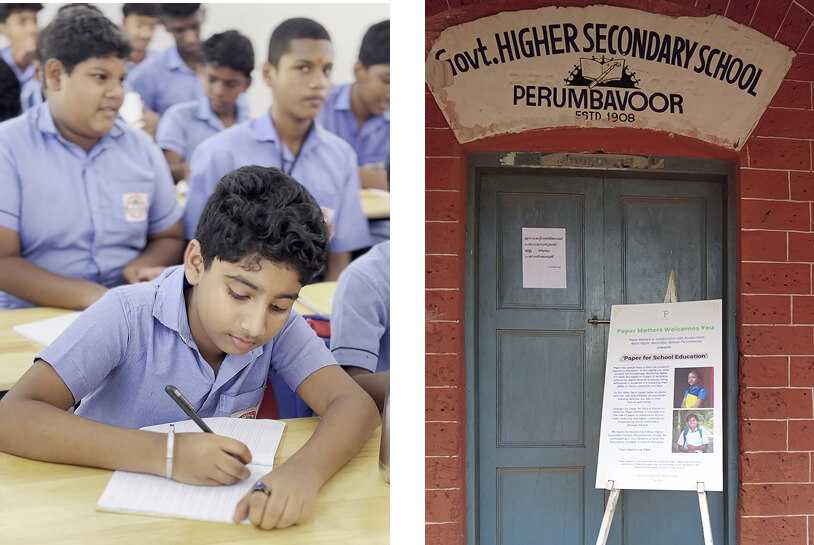
A regular school day with ideas taking shape on paper

What is better for learning: Paper or Screens?

This debate is no longer abstract. It is playing out in real classrooms, between educators and decision-makers across India and beyond. A debate where paper, even in today’s digital era, is proving itself a powerful partner in education.

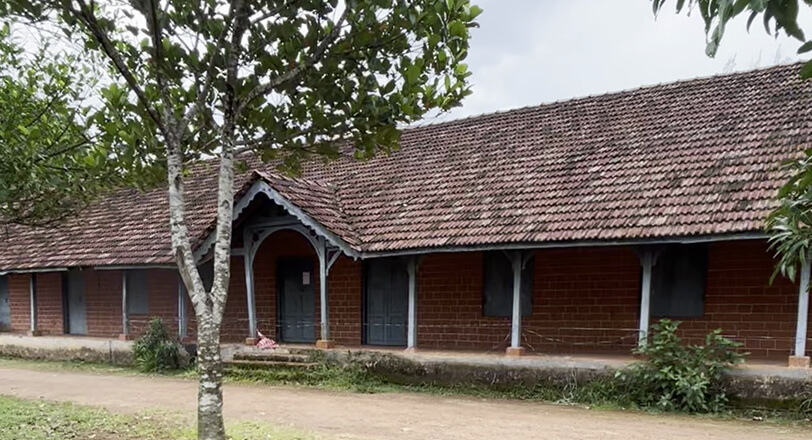
This was made much more apparent when the Paper Matters Travels To series arrived in Kerala. Our destination in this state of remarkable literacy and education was the Govt. Boys Higher Secondary School in Perumbavoor, this is a place where teachers and students have made paper the backbone of the learning journey.

“Develop a passion for learning. If you do, you will never cease to grow.”

— Anthony J. D’Angelo

The Educators of Perumbavoor

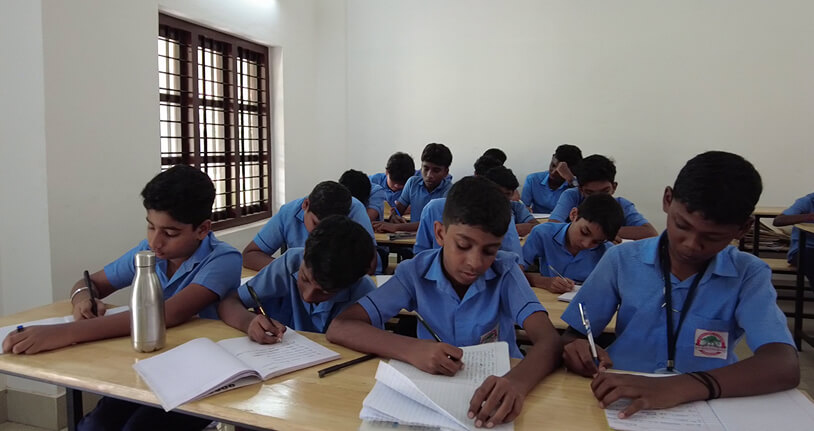
We arrived at Govt. Boys Higher Secondary School, Perumbavoor, and were welcomed into a timeless space. Where classrooms are alive with the scratching of pens. Notebooks dense with margin notes. Textbooks worn with the affection of use.

We sat with the teachers and the principal, who spoke about what they observe every day. Students who read on paper retain more. Writing an answer by hand helps them understand it, which is better than merely scrolling past it. They spoke about the tactile relationship between a child and the page and how it slows them down in a way that enables learning.

Paper, they told us, is more than just a medium. It structures thought, improves a student’s writing skills, and leaves a record of important details in the mind.

Kerala is known for its strong literacy culture and schools that place great value on education

Students are struggling to focus. Their memories are faltering. Their ability to sit and brood over ideas is disappearing… In short, excessive reliance on digital devices is impairing how children learn.

What Screens Cannot Give

This is the age of screens. They have taken over classrooms as students across India are being equipped with ICT tools, tablets, interactive displays, etc. They have been helpful, but the consequences are beginning to show.

Students are struggling to focus. Their memories are faltering. Their ability to sit and brood over ideas is disappearing. Research shows that excessive screen use negatively affects children’s ability to develop foundational cognitive skills. In short, excessive reliance on digital devices is impairing how children learn.

Sweden is a prime example. A country that once embraced ed tech eagerly has now become the first one to change course. With dropping academic performances, it pulled back digital tools from classrooms and returned to paper-based learning, emphasising the usage of physical textbooks.

Paper invites engagement. The drag of pencils, the rhythm of handwriting, the feel of a page – when students write by hand, they understand more deeply, remember more durably, and think more clearly. It is not only a catalyst for learning but also beneficial for their mental well-being.

Paper continues to shape young minds

Paper invites engagement. The drag of pencils, the rhythm of handwriting, the feel of a page – when students write by hand, they understand more deeply, remember more durably, and think more clearly.

A Pledge for Paper

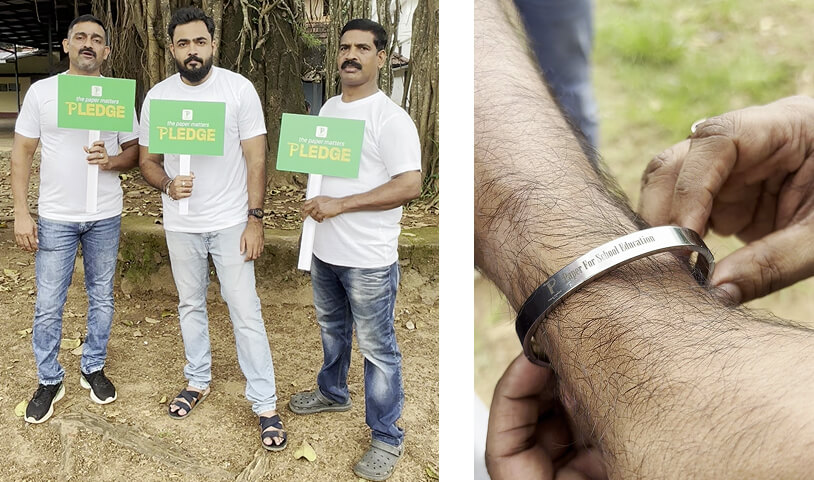
At the end of our visit, the teachers took a pledge to support paper. These individuals who have spent years watching children learn while turning pages pledged to champion paper’s role in the classrooms.

“My message to teachers and educators,” Headmistress of the school Ms Beena P C appealed, “is to encourage paper-based education. Use digital devices only if paper is not available”.

True to this message, the school stands behind the Paper For School Education initiative with a hope to ensure that the next generation of students inherits paper.

Educators of Govt. Boys Higher Secondary School, Perumbavoor, pledge their support for “Paper for School Education

Paper Over Everything

The Paper For School Education campaign by Paper Matters is here to make sure that modernisation does not discard what is effective. Paper has proved, be it in Sweden or Perumbavoor, that it is a great ally to learning.

Making the case for this cause school by school, teacher by teacher, and student by student, we are here to remind India that the tools that have shaped its greatest minds are still worthy of a place in every classroom.

Blog August 10, 2025 4 min read

Folded Into Memories

How an afternoon of stories brought two generations together.

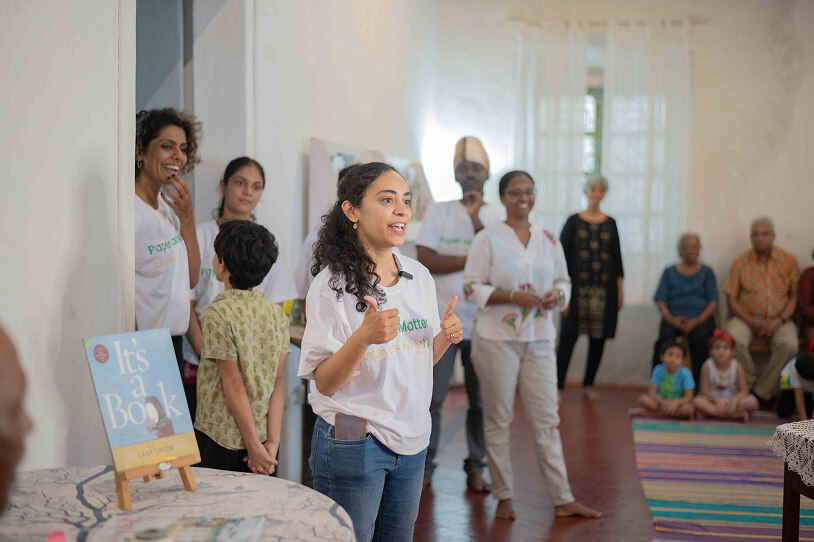
The Paper Matters team in Goa, bringing generations together for a day of creativity and connection

There are places in this world that are portals to different realms.

Part of an unconnected network that keeps alive the different meanings, directions and pursuits of human life. Even at the staggering number of over two million, all are unique. Old-timey and dusty, or posh and modern, it does not matter. They are, above all, places of wisdom, solitude and self-reflection. They are built by paper, from the endless labour of minds who chose to press their thoughts onto a page and trust it to outlast them.

They are libraries. Places that become community spaces. Where people come to read, to think, and to find each other.

It is in these libraries where the next generation of creators and thinkers is raised.

It felt right to us, when we visited Goa, that an evening celebrating paper and art should be held in one.

“After nourishment, shelter and companionship, stories are the thing we need most in the world.”

— Philip Pullman

A Place of Books and Pages

The Grand Duos of Goa was built in collaboration with Kooky Kuriosity, a Goa-based creative platform specialising in theme-based events. Together, we designed an evening that would bring grandparents and their grandchildren together through a shared love of art and paper.

The venue chose itself. Housed in a traditional Goan home, the Bookworm Library in Saligao has the quiet, unhurried quality that most spaces lose once they grow up. Its ethos, one of warmth and welcome, reflects a deep and abiding love for books, and the paper that makes them.

For an evening about intergenerational creation, there could not have been a more fitting backdrop.

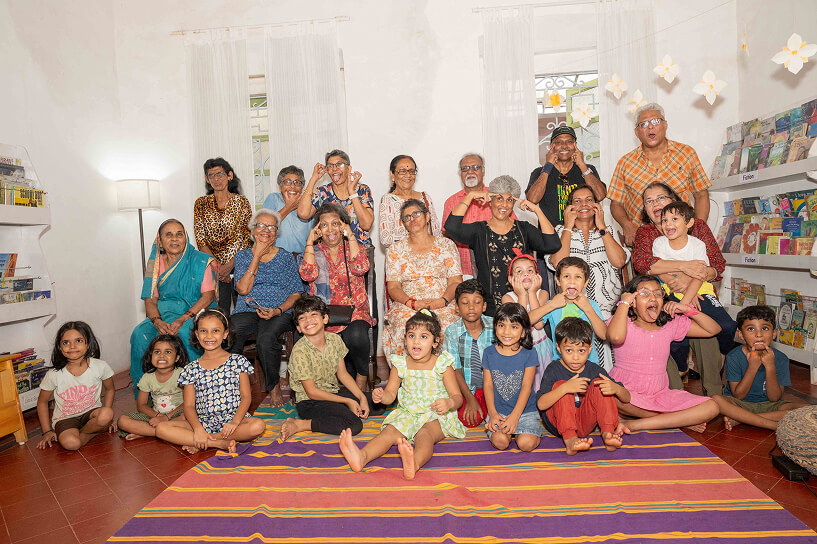
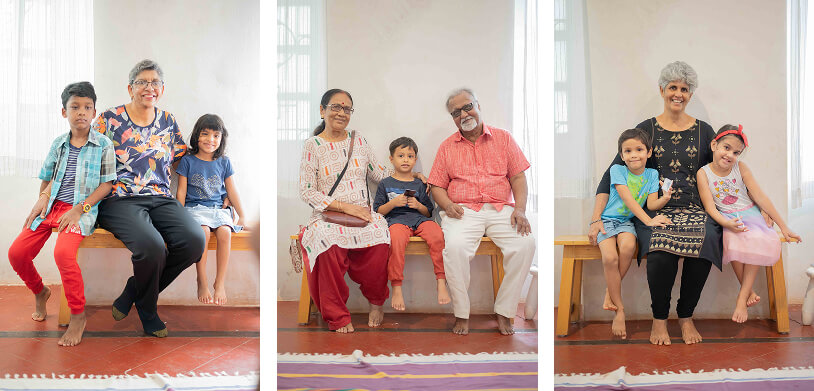
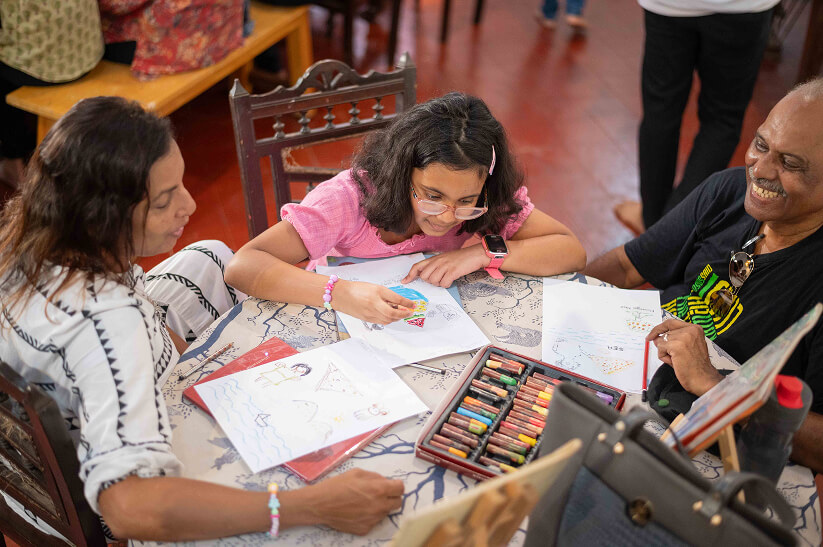
The Grand Duos of Goa: grandparents and grandchildren sharing their love for stories, art and craft

…when a grandchild reads a book, they are receiving it from someone who may have lived centuries ago, who pressed their thoughts onto paper and trusted it to travel. Paper, in this way, is a medium for time travel.

Crease the Day

On the 10th of August 2024, eight to ten pairs of grandparents and grandchildren arrived at The Bookworm Library at 4pm. What followed over the next two hours was a genuinely lovely sequence of events.

Professional art facilitators guided participants through paper craft. All were lost in folding, shaping, and creating together. Origami filled the evening with the kind of quiet that only arrives when hands are busy making something, focused and occasionally punctuated by the soft sound of paper finding its form.

The showcase at the end brought everything together. Participants displayed what they had made, which was more than mere art and paper craft. All of it became the evidence of an evening well spent, of two generations finding, briefly, the same frequency.

Moments from The Grand Duos of Goa

Together, we designed an afternoon that would bring grandparents and their grandchildren together in their love for stories.

A Grand Creation

What struck us most about the Grand Duos of Goa was not the craft itself, but what the craft enabled. The origami, the folding, the making, paper gave two generations a shared language. It turned an evening in a library into a memory that both will carry.

Paper has always been this kind of quiet intermediary, tactile and unhurried, and perhaps the ideal medium for connection. It is, after all, the material that has kept libraries in business.

When a child picks up a book, they come in touch with something from someone who may have lived centuries ago, who pressed their thoughts onto paper and trusted it to preserve the information. Perhaps even to pass it down to future generations. Paper, in such instances, transforms from a medium for communication into one for time travel. The Bookworm Library, with its love for the written and the made, holds this understanding at its very core.

Passing down the legacy of paper, one sheet at a time

A Story Well-Paged

The evening was one of a kind. It showed us how art and paper transcend generations, how paper has always been the medium through which knowledge is passed down, beauty is made, and people of very different ages find common ground.

The Grand Duos of Goa encapsulated all of this in a single evening at a beautiful library in Saligao: two generations, a room full of paper and art, and everything remarkable that happened in between. 

Blog July 10, 2025 4 min read

Some Things Are Better On Paper

What Mumbai thinks about paper, memory, and why it still matters.

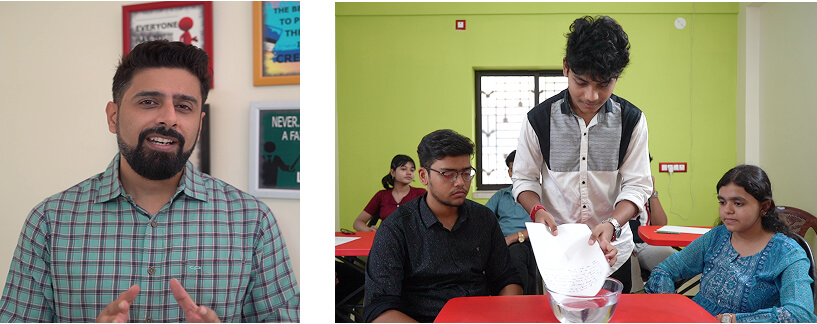
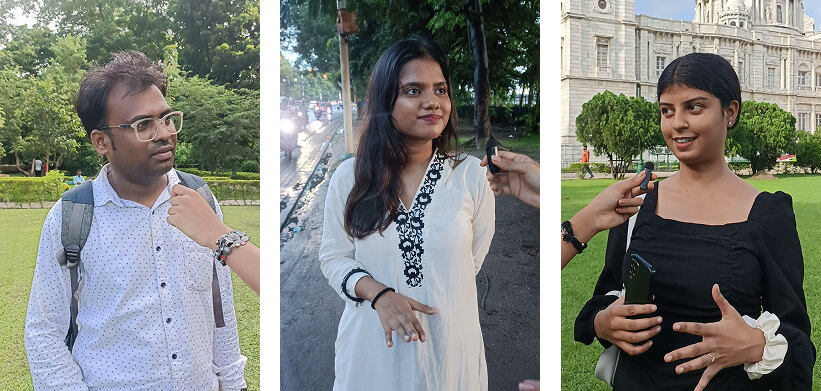
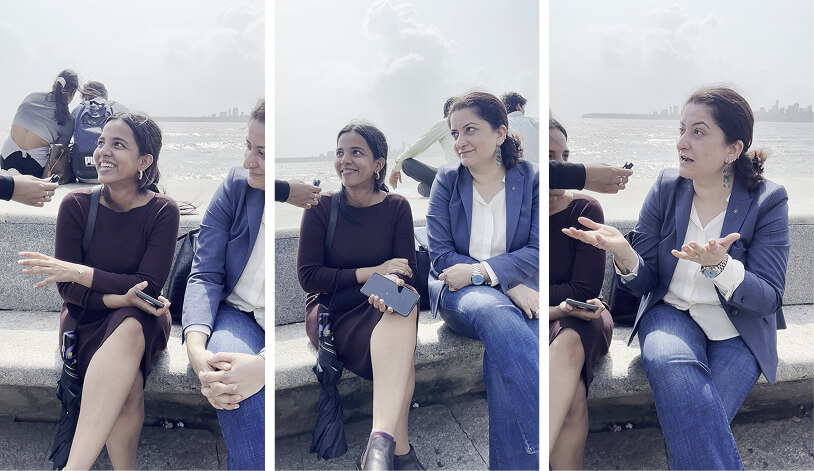
People from different walks of life share their thoughts on paper

What does paper mean to you?

A simple question with many interesting answers. Is it a space for expression? A utilitarian tool for storing knowledge? A bridge to the past?

In our latest edition of Paper Stories, a series dedicated to capturing real people sharing real memories connected to paper, we travelled to Mumbai to ask Mumbaikars the same question.

“You start out putting words down and there are three things — you, the pen, and the page. Then gradually the three things merge until they are all one and you feel about the page as you do about your arm. Only you love it more than you love your arm.”

— John Steinbeck, Working Days: The Journals of The Grapes of Wrath

Paper Stories

Paper is a vessel. It carries the letters we scribble, the words they form, and the inevitable stories they tell. We started Paper Stories because we understood this.

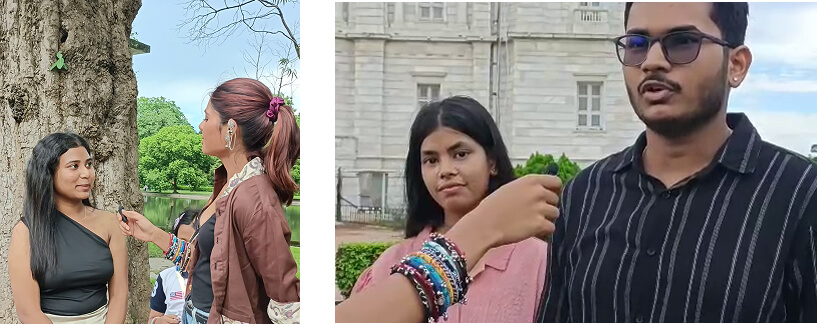
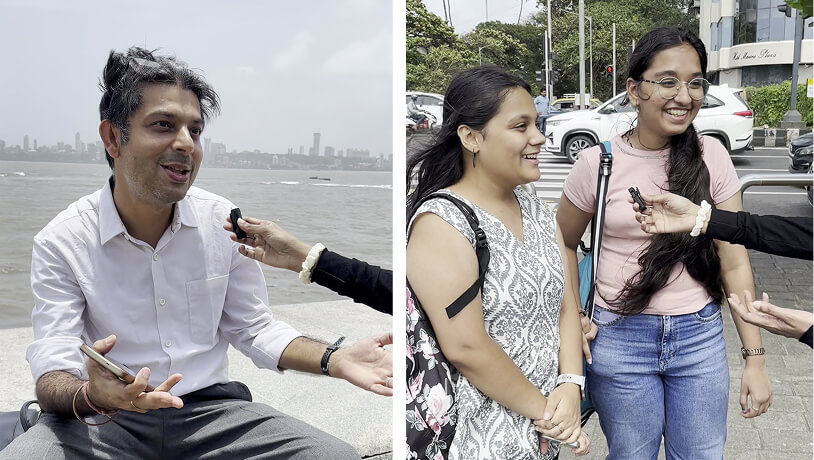
We took to the streets with a single question and an open ear. The aim was to capture authentic experiences people have had with paper. We wanted to collect diverse perspectives across generations, professions, and cities, and for this, Mumbai was the perfect first stop.

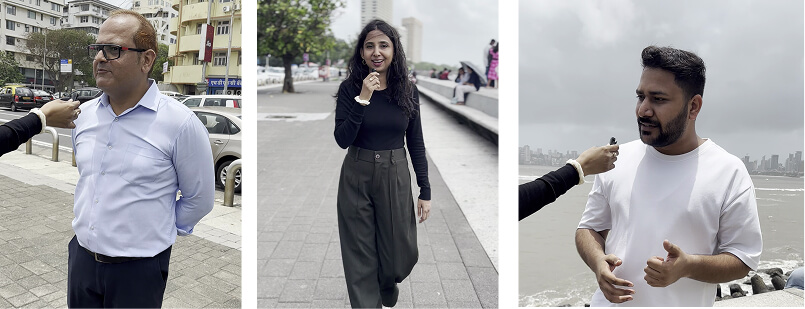
On the streets of Mumbai, paper finds a place in every life

Paper is a vessel. It carries the letters we scribble, the words they form, and the inevitable stories they tell.

What We Heard

We asked Mumbaikars about their relationship with paper: whether they had written letters, whether writing by hand still felt different, whether it meant something more. What came back was a flood of forgotten moments and quiet revelations.

On handwritten letters, the responses were telling. “When I can’t say it in person, I write it and give the note,” one young woman told us. When words are difficult to say out loud, paper becomes the place where they finally find form. Thoughts that feel tangled in conversation come out more clearly when written by hand. Something about the act of writing slows the mind down enough to find them.

On whether writing on paper is more special than digital text, the answer was an emphatic yes. “Absolutely. Because you are physically involved in writing and then seeing the ink on paper,” said one woman. Being physically involved, seeing ink appear on a page, shaping each letter, was described as personal, even soothing.

Several people pointed out that the benefits are not only emotional. “Even as a student, when you write and learn, especially Math or other subjects, that makes it clearer.” The hand and the mind, it turns out, are better partners than the finger and the touchscreen.

The comparison with typing brought out some of the most candid responses. “When you are typing, there’s autocorrect, emojis, most used emojis. You’re basically repeating the same things,” observed one young person. Paper, by contrast, demands something more. There is no easy undo. Backspace is not an option.

Thoughts that feel tangled in conversation come out more clearly when written by hand. Something about the act of writing slows the mind down enough to find them.

You need to restart, so you keep putting things together more meaningfully.” Another recalled the days of whiteners with a laugh: “Not that Control-Delete or Delete all. You had to write it all over again.”

That difficulty, far from being a flaw, is precisely what makes writing on paper meaningful.

A Generation Choosing Paper

What made the Mumbai visit particularly striking was the younger voices, Gen Z, a generation that has grown entirely online, and yet is quietly turning back to paper.

One man observed it with concision: “They are more conscious of all the effort that society is taking at large. So that’s good.” He is right. This generation is hyper-conscious of the world they are inheriting, its climate, its waste, its consequences. Conversations revealed that to Gen Z, the act of choosing paper is meaningful. They value paper because of its biodegradability, and avoid or boycott substances like plastic, which is non-biodegradable.

This line of thinking finds its roots in values. Gen Z is increasingly unwilling to separate the choices they make as consumers from the beliefs they hold as people. Paper, for many of them, is not just the more sustainable option. It is the most honest one.

What we witnessed at Marine Drive was a generation that is not just talking about change. It is living it, one deliberate choice at a time.

In these ever-changing times, paper remains relevant because it is simple, familiar, and dependable

Stories Everywhere

In Mumbai, every person we spoke to had a story. A letter kept in a drawer. A notebook filled with thoughts. A memory that came rushing back the moment paper was mentioned.

Paper has always been where we put the things that matter. It is where we have expressed our feelings, and passed down our knowledge.

We believe these stories are worth telling, and we are just getting started. We wish to continue telling the universal story of paper, one that is still being written.

Blog April 10, 2025 3 min read

From The Ground Up

How a forgotten school in rural Maharashtra is helping children find their love for learning.

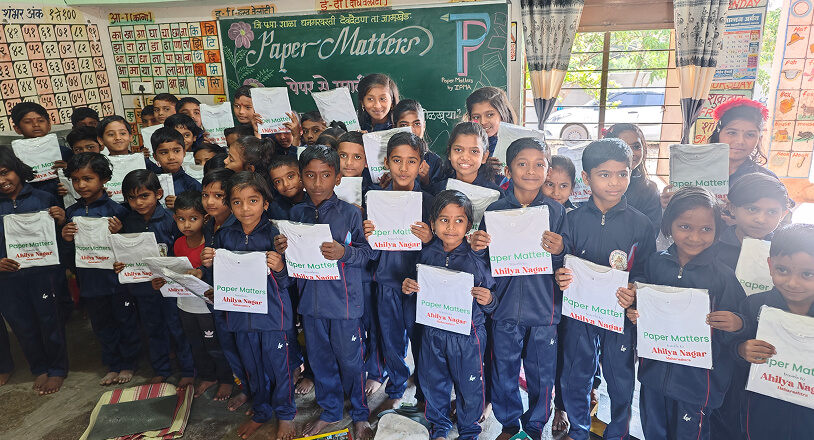
From 4 to 55 students - Zilla Parishad Primary School, Dhangarwasti, Ahilya Nagar
From 4 to 55 students – Zilla Parishad Primary School, Dhangarwasti, Ahilya Nagar

24.8 crore children go to school in India.

This number, presented by the Ministry of Finance in the Economic Survey 2024-25, shows how large a population Indian schools serve. 14.72 lakh schools with 98 lakh teachers try to educate students from all kinds of backgrounds, diverse in both socio-cultural and economic realities.

However, some numbers never show up in surveys and evaluations.

How many students actually enjoy going to school? How many schools go out of their way to make subjects interesting for students?

We may not have the numbers, but Paper Matters encountered just such a school, with excited and motivated students, when we travelled to Zila Parishad Primary School in Dhangarwasti, Jamkhed, Ahilya Nagar, in collaboration with educator and changemaker Lahu Borate.

“Education is the most powerful weapon which you can use to change the world.”

— Nelson Mandela

Out of the Shadows

When we entered the school, watching students sitting, giggling and hopping about, it was hard to imagine there could be a livelier place. The place felt as if it had always been filled with noise.

This, however, was not true. A few years ago, this school had four students. The building had no water, no electricity, and no washrooms. The families of Dhangarwasti, consisting largely of cane cutters who migrate for work every year, always left their children in the care of neighbours or simply at home. For the children of Dhangarwasti, getting an education was not an option. Not until Lahu Borate arrived.

He started teaching, and eventually began building, in every sense of the word. He earned the trust of the children, then of the community, and eventually of strangers on the internet. Over 1.5 lakh people rallied behind him on social media. Government officials and donors followed. The school that once stood forgotten now has 55 students, clean drinking water, proper washrooms, nutritious weekend meals, and a developmental plan that Lahu is steadily putting into action.

More than the infrastructure, the school has succeeded in building a culture of curiosity.

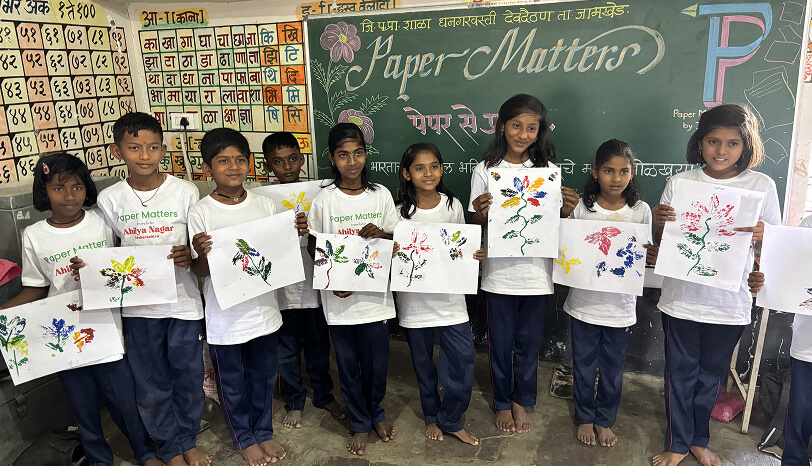
Children pour their creativity onto paper

14.72 lakh schools with 98 lakh teachers try to educate students from all kinds of backgrounds, diverse in both socio-cultural and economic realities.

Paper and Pragati

“We won’t be able to learn,” said a student when asked what would happen in the absence of paper. “We won’t be able to draw pictures, read, or write.”

A simple answer, but one which made us ponder. When we collaborated with Lahu and his students at the event Paper se Pragati, we saw exactly what that student meant. The students saw paper as an outlet for both learning and creating.

Paper, for them, is not a school supply. It is something they value. Watching that was a powerful reminder of why Paper Matters exists and what we are trying to say about this material that the world takes for granted.

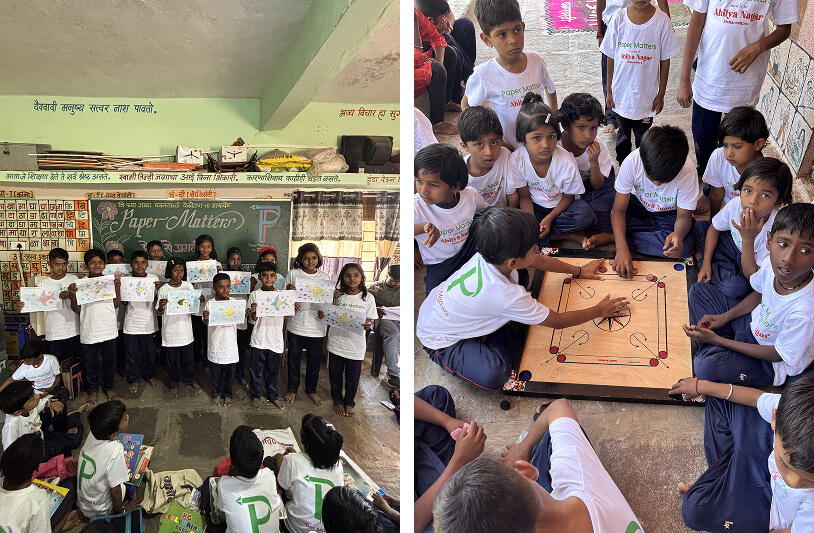
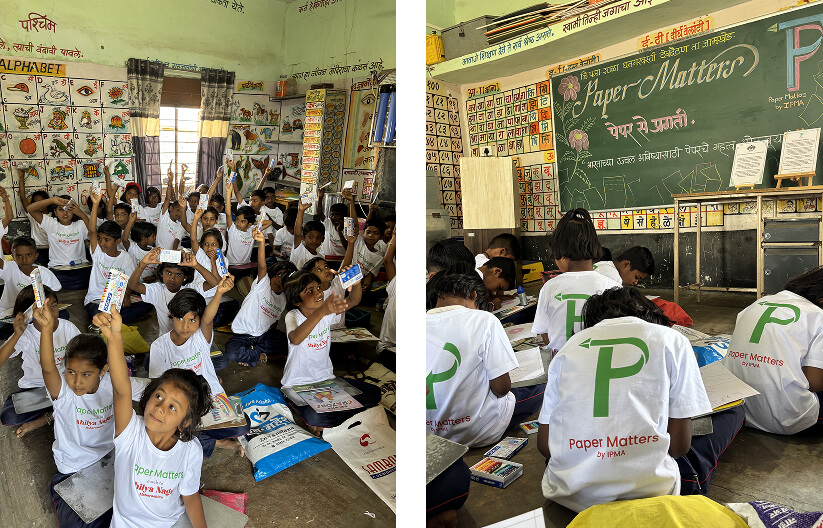
A regular day here is filled with fun, curiosity, and learning

The students saw paper as an outlet for both learning and creating. Paper, for them, was not a school supply.

Even small efforts can create something bigger

A Road Well Taken

Lahu Borate has done some remarkable things with the school. The reason his changes resonate is because they are replicable. A school, a community, a committed individual, and the belief that children deserve better. That is the formula, and it works.

At Paper Matters, we are proud and honoured to have been a small part of this story. We hope it encourages other organisations, individuals and businesses to find their own Dhangarwastis and build from the grassroots.